Supreme Court Decision Raises Concerns Over Religious Rights in Prisons
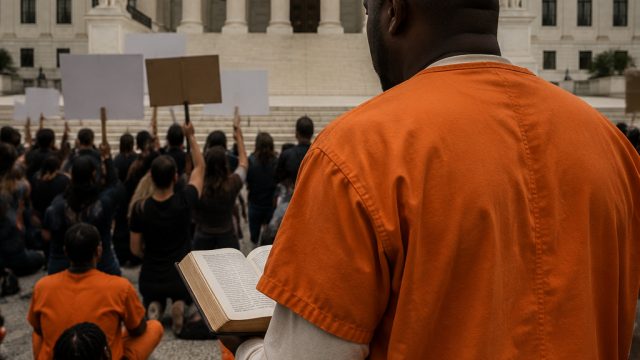
The recent ruling by the Supreme Court regarding a Rastafarian man's inability to sue prison officials for cutting his dreadlocks has sparked significant conversations about religious freedoms within the correctional system. This decision not only affects the petitioner, but it also raises important questions about inmates' rights to practice their faith while incarcerated.
Background of the Case
The case centers around a Rastafarian individual who claimed his constitutional rights were violated after prison guards forcibly cut his dreadlocks, a significant aspect of his religious identity. The Supreme Court, in its ruling, decided that the prison officials could not be held liable under federal law for this act, which has caused an uproar amongst advocates for religious freedoms.
Understanding Rastafarian Beliefs
Rastafarianism encompasses a rich tapestry of beliefs where hair, especially dreadlocks, symbolizes a spiritual connection and adherence to faith. For many Rastafarians, maintaining their dreadlocks is not merely a personal choice but a deeply rooted aspect of their spiritual expression.
Legal Implications of the Ruling
This ruling raises critical questions about the legal frameworks that govern religious rights in prisons. While the decision may provide clarity on the liability of prison officials, it simultaneously highlights the inadequacy of protections for religious practices among incarcerated individuals.
Broader Impact on Religious Freedom in Correctional Institutions
The implications of the Supreme Court's decision extend beyond this one case, calling into question the rights of all inmates to engage in religious practices. Here are some of the significant outcomes that may unfold:
- Increased Scrutiny on Religious Policies: This ruling may prompt a reevaluation of existing policies regarding religious practices in prisons, potentially leading to more stringent restrictions.
- Potential for Further Legal Challenges: Advocacy groups may pursue additional legal avenues to challenge the ruling, arguing that it sets a dangerous precedent for the protection of religious rights.
- Impact on Religious Communities: The decision could affect not only Rastafarians but also members of other religious groups who may face similar challenges in prisons.
Advocacy and Resistance
In light of the Supreme Court's ruling, various advocacy organizations are mobilizing to ensure that the religious rights of inmates are protected. These groups are working tirelessly to raise awareness and push for reforms that support the spiritual practices of incarcerated individuals.
Action Steps for Advocacy Groups
Here are some initiatives currently being pursued by advocacy groups:
- Education and Training: Providing training for prison staff on the importance of respecting religious freedoms.
- Legal Support: Offering legal assistance to inmates who experience discrimination based on their religious beliefs.
- Public Awareness Campaigns: Launching campaigns to inform the public and policymakers about the importance of maintaining religious freedoms in correctional facilities.
Conclusion
The Supreme Court's decision regarding the Rastafarian man's ability to sue prison officials for cutting his dreadlocks serves as a pivotal moment in the ongoing discussion about religious rights within the prison system. As the legal landscape continues to shift, it is essential to remain vigilant and advocate for the rights of all individuals, regardless of their faith. Ensuring that inmates can practice their religion freely is not only a matter of policy but a fundamental aspect of human rights that should be upheld within our justice system.